
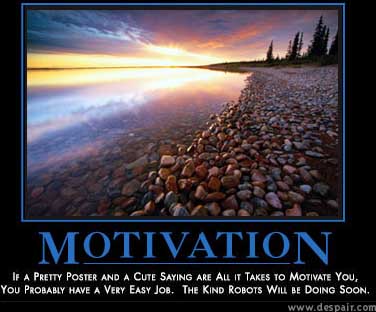
Slogans mainly are bad. But like most things they can be used in ways that help or hurt. The main problem is when they substitute for a method to achieve the aim (most of the time). If the slogan serves like a mission statement to focus people on something useful to focus on and it is one minor part of a system to achieve a result it can be fine and even useful.
The issue, to me, is not so much that slogans are innately horrible. It is that, in practice, slogan are used in harmful ways most often (especially outside of sports). They tend to substitute for system improvement. The main work of shifting psychology (we do expect to win now, we do expect a focus on reducing bugs in our code…) after years of creating a different culture has to be in changing methods, priorities, values… Slogans, if done right, can be a way of focusing on the change. Or they can be a real reminder of values. But the slogan only provides value as part of a system confirming the aim they emphasis.
Unfortunately, they also to be used as a way to focus criticisms on individuals. Don’t you know/care that our slogan says zero defects? Can’t you read? Jeez, I even put up a huge poster with our slogan saying zero defects and you can’t even do what it says in this beautiful poster? Well, I will give you a bad performance review now, you can’t say you don’t have that coming after you failed to do what our slogan told you to do.
A slogan by itself has negative value. Take any wonderful slogan and move it somewhere else it will do more harm than good. As a minor part of a system though it can tap into how we people think and act (psychology) and provide value. Be careful though, it is much easier to do harm with slogans than to provide value.
If the slogan emphasizes what is being practiced every day, it can be a helpful reinforcer. If it conflicts with what is done every day it breeds cynicism and shows disrespect for people. This which is a huge problem. And managers have to know it is very easy for people to see the lack of cloths on the emperor slogan. Dilbert does a great job showing the risks of using slogans. Those you are targeting the slogan to are more likely to think like Dilbert than the they are to think like the pointy haired boss (and if you are the one pushing the slogan that means you are well on your way to being the phb – so be careful).
Slogans clearly fall under Deming’s understanding psychology area of management. To use them effectively you need to make sure the value provided, exceeds the cost and risk. I see no better way to evaluate slogans than through the lens of Deming’s system of management, interdependent components of: psychology, systems thinking, understanding variation and theory of knowledge. If the slogan is not supported by the system of management within the organization the slogan will do harm.
In response to: Are Slogans Always Bad or Can They Inspire?
Related: Deming on eliminating slogans and motivational posters – Eliminate Slogans – Toyota Targets 50% Reduction in Maintenance Waste – posts on psychology – How to Improve – Stop Demotivating Employees


Agreed John. Slogans can be good or bad. They can be effective if the rank and file come up with them. It goes to your point of "emphasizing what is practiced…" If the front-liners believe, real change can occur.
Pingback: Curious Cat Management Improvement Blog » Don’t Treat People Like You Want to be Treated